
“Stand tall like a seahorse—even the tiniest creatures can carry big dreams!” 🐠🌊💫
Step by Step Drawing Tutorial of a Cute Seahorse for Kids
Learn how to draw a cute narwhal with this fun and easy step-by-step tutorial for kids and beginner artists! Known as the “unicorn of the sea,” this adorable cartoon narwhal is perfect for ocean-themed art projects, classroom activities, or just for fun. Using simple shapes and kid-friendly steps, your little artist will be ready to bring their narwhal drawing to life in no time!
Don’t forget to prepare your materials. Please see my post on how to use the Grid Line Method here. By the way we have prepared a free downloadable Grid Lined Paper that you can use, click the link to download a copy. Please note that these free downloads are intended for personal use only.💖
You may print it on an A4 sized paper or if you want to draw on a smaller scale, you may print 2 copies on one A4 sized paper.
Let’s Draw a Seahore!
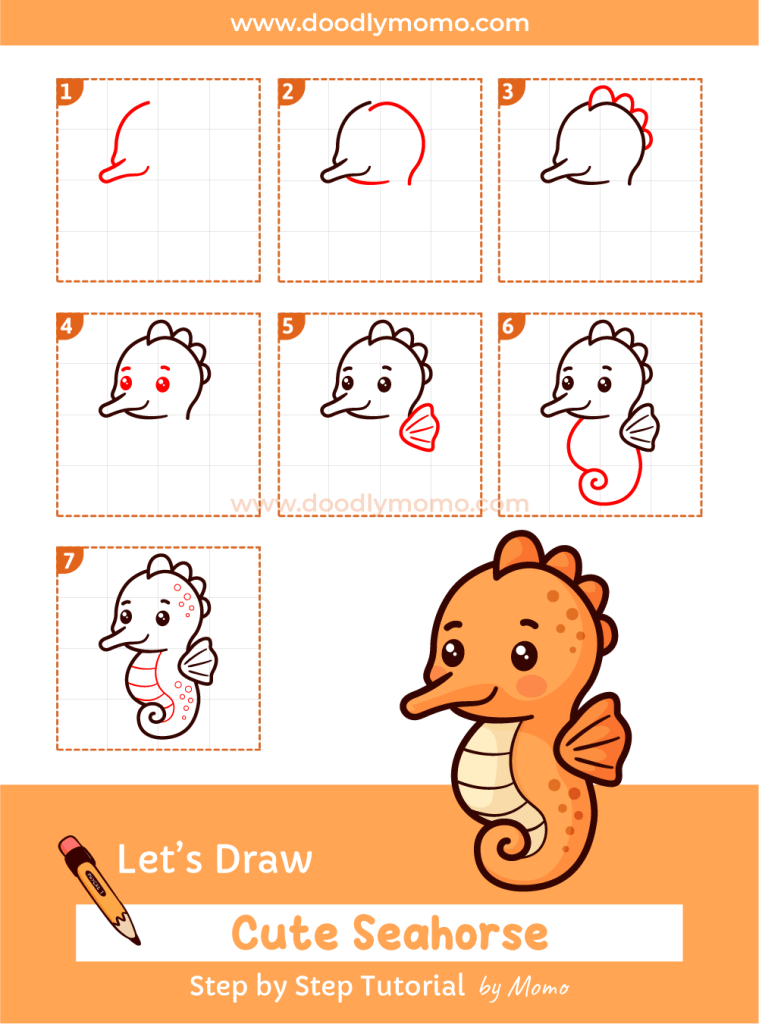
Step 1: First, draw the shape of the face of the seahorse, making sure the nose is long and slightly curved, resembling a graceful arc that extends outward. Take your time to add fine details, such as the small eye positioned just above the nose, which gives character to the face.

Step 2: Next, draw the back side of the head of the seahorse, ensuring to capture its unique curvature and shape that resembles a gentle arc. Pay attention to the intricate details of the texture on its skin, which includes small ridges and grooves that add depth and character. Also, focus on the chin part, which should smoothly transition from the head, highlighting the delicate features that contribute to the seahorse’s whimsical appearance. This part can be slightly rounded and should connect seamlessly with the rest of the head, creating a cohesive look that embodies the elegance of these fascinating creatures.

Step 3: Then, draw curve lines for the back details of the seahorse, ensuring that the lines flow gracefully to capture the unique shape and contours of its body. Pay attention to the natural curves found in the seahorse’s silhouette, as they add character and authenticity to your illustration. Use gentle, sweeping motions to create these curves, allowing your hand to follow the fluidity of the creature’s form, which will enhance the overall aesthetic and realism of the drawing.
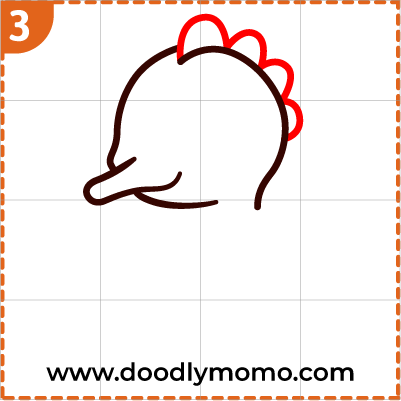
Step 4: Draw two circles for the eyes, making sure they fit the size of the face you are creating. Adjust their size to match the facial features you’ve sketched. Add small circles inside each eye for glare, as this adds life and expression to your drawing. These highlights can enhance your character’s appearance, making it more engaging. Next, draw two small curved lines for the eyebrows, placing them above each eye; the shape of the eyebrows can affect the emotion shown on the face. Think about the expression you want—like surprise, happiness, or sadness—and shape the lines to convey that mood.
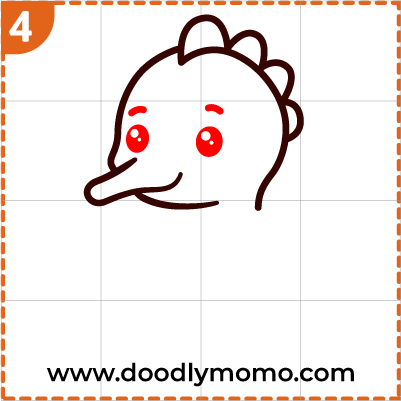
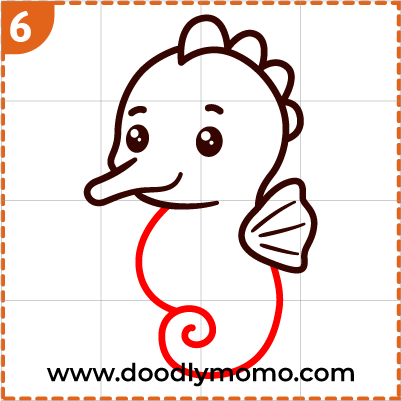
Step 5: Next, draw one of the fins of the seahorse, carefully curving the lines to reflect the delicate nature of its form. Start at the body, just behind the head, and gently arch outward, mimicking the elegant flow of water. As you proceed, ensure that the fin appears translucent, capturing the ethereal quality of a living creature underwater. Remember to include the finer details, portraying the tiny ridges and patterns that make each fin unique, giving it the lifelike appearance that will bring your drawing to life.

Step 6: Then, draw the body part of the seahorse to the curly bottom, ensuring that you capture the unique shape and contours that make these creatures so fascinating. Begin by outlining the rounded head that seamlessly transitions into a slender neck, followed by the distinctive, elongated body that curves gracefully towards the tail. As you reach the curly bottom, pay attention to the details, such as the small fins that are elegantly positioned along the body, and the intricate patterns that define the seahorse’s skin.
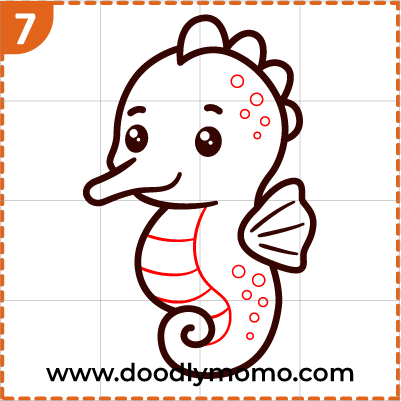
Step 7: Lastly, draw additional small circles for extra details for the body, such as small spots or patterns that can add personality and uniqueness to your drawing. Consider incorporating various sizes and placements of these circles to create a sense of depth and dimension. Afterward, add lines for additional tummy details, which can include subtle curves or textures that give more life to the character’s design. Play around with the thickness and length of the lines to enhance the visual interest of the tummy area, making sure that these features complement the overall aesthetic of your illustration. Now that you’ve finished your cute seahorse drawing, try our step-by-step Eagle drawing tutorial for even more fun!
Here are all the detailed steps for your easy reference, ensuring that you can follow along without any confusion as you work through the process. Each step is meticulously outlined to provide clarity, allowing you to navigate through the procedure with ease and confidence. By following this structured approach, you will minimize the chances of making mistakes and increase your efficiency as you progress. Feel free to refer back to this guide whenever you need a reminder or a clearer understanding of the process.
Did you know?
Seahorses are some of the most unusual creatures in the ocean? Unlike most animals, it’s the dads that carry the babies! Male seahorses have a special pouch where they keep their eggs safe until they hatch. These tiny ocean horses can grip seaweed with their curly tails and float gently with the waves. Seahorses aren’t great swimmers, but they move up and down using a small fin on their back. Their long snouts help them slurp up tiny shrimp and plankton. With their unique shape, beautiful colors, and amazing parenting style, seahorses truly show us how special the ocean world can be!

Here’s some more kid-friendly information:
- Fishy surprise! Seahorses are actually fish, even though they look nothing like one.
- Super dads. Male seahorses carry the eggs in a pouch until the babies are born.
- Tail power. Their curly tails work like hands, grabbing onto seaweed so they don’t float away.
- Standing tall. Seahorses swim upright, unlike other fish that swim sideways.
- Tiny engine. A little fin on their back flaps super fast—like tiny wings—to help them swim.
- Slurp, slurp! Seahorses eat with their long snouts, sucking up food like a straw.
- Shrimp snackers. They love eating tiny shrimp and plankton floating in the water.
- Ocean camo. Seahorses can change their color to hide from predators.
- Mini marvels. Some seahorses are so small, they’re shorter than your thumb!
- True love. Seahorses are loyal partners, often staying with the same mate for life.
Did you know? Seahorses are the only animals where the males get pregnant and give birth! Explore our step-by-step Norwegian Forest Cat drawing tutorial for another fascinating animal.
📌We are in Pinterest too! Check us out and save our pins as reference! ♥
You can also check and buy vector files and images from our Adobe Stock link below, where you’ll find a diverse collection catering to all your creative needs, ensuring that you have quality visuals for any project, whether it be for web design, marketing, or personal use.
Thank you for reading! We hope you found this article insightful and enjoyable. Please have a look at our other step-by-step tutorials, where you can discover a variety of adorable dog breeds, including tips on training, grooming, and care. Whether you’re a seasoned dog owner or considering bringing a new furry friend into your home, our comprehensive guides are designed to help you along the way. Happy Drawing!


 Doodlymomo

Leave a comment