
“Waddle your own way, splash through the puddles, and quack with confidence!” 🦆
Step by Step Drawing Tutorial of a Cute Duck for Kids
Learn how to draw a cute duck with this easy step-by-step tutorial designed for kids and beginner artists! Using simple shapes and fun details, this guide helps children draw an adorable cartoon duck with a cheerful face and fluffy feathers. Perfect for preschool art time, homeschool projects, spring-themed crafts, or just a fun animal drawing activity at home or in the classroom! 🦆
Don’t forget to prepare your materials. Please see my post on how to use the Grid Line Method here. By the way we have prepared a free downloadable Grid Lined Paper that you can use, click the link to download a copy. Please note that these free downloads are intended for personal use only.💖
You may print it on an A4 sized paper or if you want to draw on a smaller scale, you may print 2 copies on one A4 sized paper.
Let’s Draw a Duck!
Step 1: First, draw the left and right part of the head of the mallard duck, ensuring to capture the distinctive rounded shape that characterizes its head. Focus on creating a smooth transition between the two sides, being mindful of the gentle curves that define the duck’s features.

Step 2: Next, draw a small curly line on top for hair detail, which can add a whimsical touch to your character’s appearance, and a curvy triangle for the beak that should be pointed and slightly rounded at the edges. Don’t forget to add a small circle for the beak detail to create a sense of dimension, allowing it to appear more lifelike. This small detail can enhance the overall look of your drawing, giving it personality and charm as you carefully design each feature with attention.

Step 3: Draw two ovals for the eyes, ensuring they are slightly tilted to give a more expressive look. Within each oval, add small circles for glare, positioning them strategically to reflect light and bring life to the eyes. These small details not only enhance the charm of your drawing but also add depth and personality, making your character more relatable and engaging. Experiment with varying sizes and placements of the glare to see what works best for your artistic vision.

Step 4: Next, draw the left body of the duck, ensuring to capture the smooth curvature of its shape, which tapers toward the tail. Pay attention to the proportion of the body to maintain a realistic representation. Additionally, draw one of the wings of the duck, extending outwards from the body, and incorporate the details of the feathers, which can be slightly ruffled to depict a natural look. This will add a sense of dimension and movement to your drawing, making it come alive on the page.

Step 5: Draw the other wing of the Duck on the right side, ensuring it mirrors the left wing’s shape and size for balance. To add a realistic touch, incorporate additional thin lines that represent the feather details, carefully varying their length and curvature to create a more dynamic appearance. These intricate details will enhance the overall depiction and bring your drawing to life, making it more engaging and true to the essence of the duck.
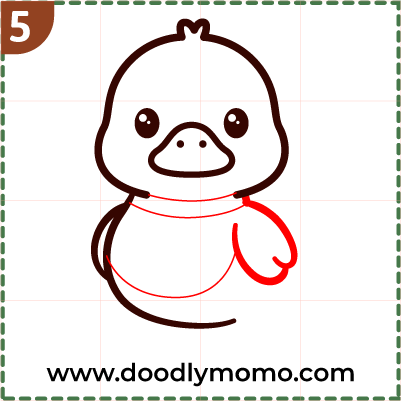
Step 6: Draw the tail of the duck, ensuring that it has a gentle yet distinct curve that adds a touch of elegance to the overall shape. Next, create another curve that smoothly connects the tail to the legs, capturing the natural flow of the duck’s body and giving it a sense of motion.
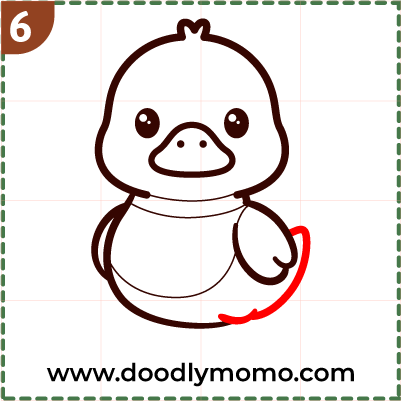
Step 7: Lastly, draw both the feet of the duck, ensuring to give them a natural, rounded appearance that reflects the unique structure of a duck’s webbed feet. Pay close attention to the details, such as the subtle curves and the small toes that extend from the webbing, which help the duck paddle efficiently in water. Now that you’ve finished your cute duck drawing, waddle over to our step-by-step Owl drawing tutorial and learn how to draw another feathered friend!

Here are all the detailed steps for your easy reference, ensuring that you can follow along without any confusion as you work through the process. Each step is meticulously outlined to provide clarity, allowing you to navigate through the procedure with ease and confidence. By following this structured approach, you will minimize the chances of making mistakes and increase your efficiency as you progress. Feel free to refer back to this guide whenever you need a reminder or a clearer understanding of the process.

Did you know?
Mallard ducks are the most common wild ducks in the world, and they’re easy to spot with their bright colors! The boy ducks, called drakes, have shiny green heads and yellow beaks, while the girl ducks, called hens, are brown with orange bills to help them blend in and protect their eggs. Mallards are excellent swimmers and love to dip their heads underwater to find food like plants, bugs, and even tiny fish. They make the classic “quack” sound and are great at flying, too—some even travel thousands of miles when they migrate! With their cheerful waddles, shiny feathers, and playful personalities, mallards are a favorite sight in ponds and parks everywhere.

Here’s some more kid-friendly information:
- Mallard ducks are great swimmers! Their webbed feet help them paddle through the water like little boats.
- Male mallards have shiny green heads and bright yellow beaks—they really stand out!
- Female mallards are brown so they can stay hidden and keep their eggs safe from predators.
- They love to eat in the water by tipping forward and sticking their tails in the air!
- Mallards can fly really fast— up to 55 miles per hour!
- Baby mallards are called ducklings, and they follow their moms in a straight line.
- They make the classic “quack” sound, but not all ducks quack the same way!
- Mallards migrate, which means they travel to warmer places in the winter.
- They sleep with one eye open sometimes, so they can watch for danger.
- Mallards are found all over the world, and they can live in lakes, rivers, ponds, or even city parks!
Did you know? Ducks have waterproof feathers that keep them dry even when diving underwater! For another fluffy and adorable animal, check out our step-by-step Poodle drawing tutorial next!
📌We are in Pinterest too! Check us out and save our pins as reference! ♥
You can also check and buy vector files and images from our Adobe Stock link below, where you’ll find a diverse collection catering to all your creative needs, ensuring that you have quality visuals for any project, whether it be for web design, marketing, or personal use.
Thank you for reading! We hope you found this article insightful and enjoyable. Please have a look at our other step-by-step tutorials, where you can discover a variety of adorable dog breeds, including tips on training, grooming, and care. Whether you’re a seasoned dog owner or considering bringing a new furry friend into your home, our comprehensive guides are designed to help you along the way. Happy Drawing!


 Doodlymomo

Leave a comment